Tag: arugula

  • … And, We’re Off! … Spring CSA 2016 Week 1

    Here we go! Welcome to the Spring 2016 CSA. Here at Oak Hill, we love this time of year. The world has exploded in greenery and growth and we’re starting to see the results of planning and hard work that started back at the beginning of the year. Reminder: We wash your veggies each week after harvest, but we always recommend you wash them again, most especially on damp and rainy days like this one.

    This week, you have in your boxes:
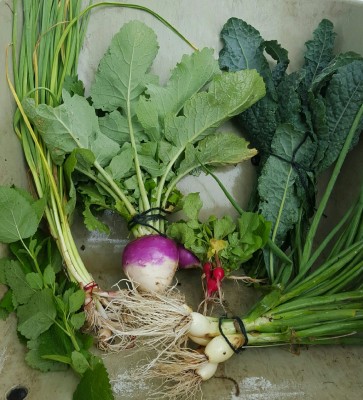
    April 30, 2016 Spring CSA Week 1
    Clockwise from top center: Turnips, radishes + arugula, Lacinato kale, spring onions, lemon balm, and baby garlic.

    Turnips: These year-round simple favorites soak up the flavors of anything you cook them with. Boil them on the stove and then mash them with salt and butter, or roast them with a little honey at 400 degrees until tender for a sweeter treat.

    For a more adventurous favorite of ours (especially if you’ve done one of our hog shares), try this Chinese Pork and Veggie Hot Pot from Eating Well. For a down-home variant with a little Asian flare, omit the store-bought chili-garlic sauce and anise/aniseed. Instead, saute our spring onion and baby garlic (equal parts white ‘bulb’ and green stem) in a little butter or oil of your choice, sprinkle with just a smattering of salt, and use 2-4 teaspoons of that easy, homemade nomminess in place of the garlic-chili sauce. Add the toasted sesame seeds or omit, depending on availability and personal taste. If you want to add some heat, throw in a little Rooster Sauce (or try it with our hot peppers later in the year!)

    Radishes and arugula: There are a million online recipes for salads that use arugula and radishes; we’re partial to this apple, radish, and arugula salad with a tasty vinaigrette. Or keep it simple… chop the radishes and their greens, wash the arugula and remove roots, and add all of it — in moderation — to a lettuce mix for a flavorful and spicy salad. Or get a little goofy… this “eyeballtini” garnished with a radish “eyeball” is a funny weekend treat with friends.

    Lacinato Kale:  known by other names as black kale, Tuscan kale, cavolo nero, or dinosaur kale. It was once grown for Thomas Jefferson in Monticello’s vegetable gardens, so it’s one of the oldest plant varieties in our garden this year. It is also grown in Italy; it’s a traditional ingredient in the Tuscan soup called ribollita. For more on this fascinating, everything-resistant heirloom kale, check out our blog post on the plant.

    Spring Onions: Our yellow spring onions have a tender and delicate flavor. Use the stem as you would a scallion or green onion (they’re basically the same thing, just slightly more mature). Use a spring onion anywhere you’d use a storebought onion, in cooking and grilling or raw on salads. Or, along with the radishes, replace the leeks in this buttered leeks and radishes recipe from Real Simple for a hot, delicious, slightly sweeter take on these traditionally spicier delicacies.

    Lemon Balm: Lemon balm is a powerful mint variety with a million uses. Delicious on a sweeter salad or as a garnish in homemade lemonade, it also makes a tea that’s delicious by itself or sweetened with honey–and that’s said to relax like chamomile and to be beneficial for stomach troubles. Bruise a handful of the leaves and drop into a glass or glass jar, cover with boiling water, and steep with a cover on it for 10 minutes so none of the vapors escape. Then drink on its own or sweetened with honey and/or lemon. Thanks to the Nerdy Farm Wife for my favorite post on Lemon Balm, 12 Things to Do With Lemon Balm–go for it! We left the roots on this one so you can plant it if you like; keep it in a pot or somewhere that it can’t overtake other plants, since it grows like crazy and can become invasive.

    Baby Garlic: At this tender age, our garlic can be chopped stem and all and used in sautes, stir fries, salads, as garnishes, even in homemade bread recipes for a kick to traditional garlic bread (saute it first!).

    Just a reminder: Please keep your bag; we’ll swap a full bag for that empty one next week. You’ll receive two bags as part of your share. We’ll trade out each week, and at the end of the seven weeks, the bags are yours to keep. If you lose one, you can buy a replacement from us for $8 (with or without custom artwork by our 7-year-old artist-in-residence Evie). We’ve implemented this policy because we’ve had trouble getting bags and boxes back from customers in previous years; we hope you understand.

    Thank you all for joining us on this springtime journey. See you next week!

    To plant a garden is to believe in tomorrow.

                    –Audrey Hepburn

  • Spring CSA Week 4: Goodies, Greens, and Garlic Scapes!

    Spring CSA Week 4: Goodies, Greens, and Garlic Scapes!

    The wet weather continues, though the temperatures are finally starting to rise. We never thought we’d be happy to see 80 and 90-degree afternoons, but the plants are loving it. The beets have really taken off, the spring greens are flagging, and summer goodies like Swiss Chard are starting to come on. In this week’s box you have:

    Roughly clockwise from top: Green onions, kale, garlic scapes, radishes, young Tom Thumb lettuce, beets, romaine and arugula, and mixed herbs (rosemary, sage, and lavender).
    Roughly clockwise from top: Green onions, kale, garlic scapes, radishes, young Tom Thumb lettuce, beets, romaine and arugula, swiss chard, and mixed herbs (rosemary, sage, and lavender).
    • Green Onions: You’ve been able to watch these little guys mature from week to week and, we hope, have by now discovered all sorts of delectable ways to work them into your meals. If you need a little inspiration (or want to use them as a long-lasting pantry staple), Emily over at Organic Authority has some excellent ideas for green onions.
    • Kale: Ready to move beyond kale chips? This versatile green is awesome in everything from frittatas to casserole to mashed potatoes. For some new ideas, check out Local Harvest’s “Kale Recipes–17 Different Ideas!” posted by Maplewood Organics up in Vermont. Some people recommend boiling kale before sauteing to make it extra-tender, or “massaging” it before use in a raw salad. Personally, we think this particular Russian Red variety is delicate and succulent enough just as it is–rinse and go!
    • Garlic Scapes: Wondering what do do with those mysterious green curlicues? Scapes are a secondary method of reproduction for some heirloom garlic varieties. These come from our signature Asian Tempest garlic and are basically a scallion that tastes like a bright, spicy garlic treat. Margo over at Greenling DFW posted one of my favorite-ever posts on using garlic scapes. If you’r a canner, pickle them and use them all year long. Meat lover? Wrap ’em in bacon! Love to eat raw? They’re perfect as-is on a salad. Scapes are one of those things that will work for everyone. And if you just don’t like garlic, put them in water and wait for them to bloom!
    • Radishes: The funky spring weather has these coming in a few at a time–one will be massive, and the one beside it just barely starting to bulb up. Enjoy these little tidbits on a salad or (if you drink alcohol) in that classic radish martini we mentioned back in Week 2. Want to give someone a laugh with their drink? Try this.
    • Tom Thumb Lettuce: This heirloom variety is a miniature butterhead with a creamy taste. I’ve left it on its roots, so it may last an extra day or two if you put it in water. These guys are growing so quickly I’m thinning almost every week. They’re delicious when young, but I can’t wait to see the mature miniature head. We get a kick out of growing new varieties out here. Hmmm… Should I be worried that I geek out over vegetables?
    • Beets: The beets are finally getting big! Roast the bulb in the oven with a little salt, pepper, and olive oil, either in a pan or covered in tinfoil. Then have at it–they’re great tossed into a stir fry; on a salad; mixed with quinoa, their cooked greens, and balsamic vinegar; or alone as a side dish.
    • Mixed Salad Greens: I love arugula–just in small doses. Mix it with the romaine and Tom Thumb (and even the raw kale or chard, if you like…), top it with radishes, green onion tops, scapes, and roasted beets–this week’s box will give you some of the best salad flavors spring has to offer!
    • Swiss Chard: LuxeEpicure calls swiss chard the “peacock of dark, leafy greens.” With red, pink, yellow, orange, and green veining big rich leaves, chard is delicious stir fried, in pastas and casseroles, or as a side dish by itself. Chop the stems and tear or cut the leaves into smaller pieces; cook the stems first since they take a bit longer and then add the greens–or just eat the greens raw in salads. You can even use the whole leaf to wrap tamales!
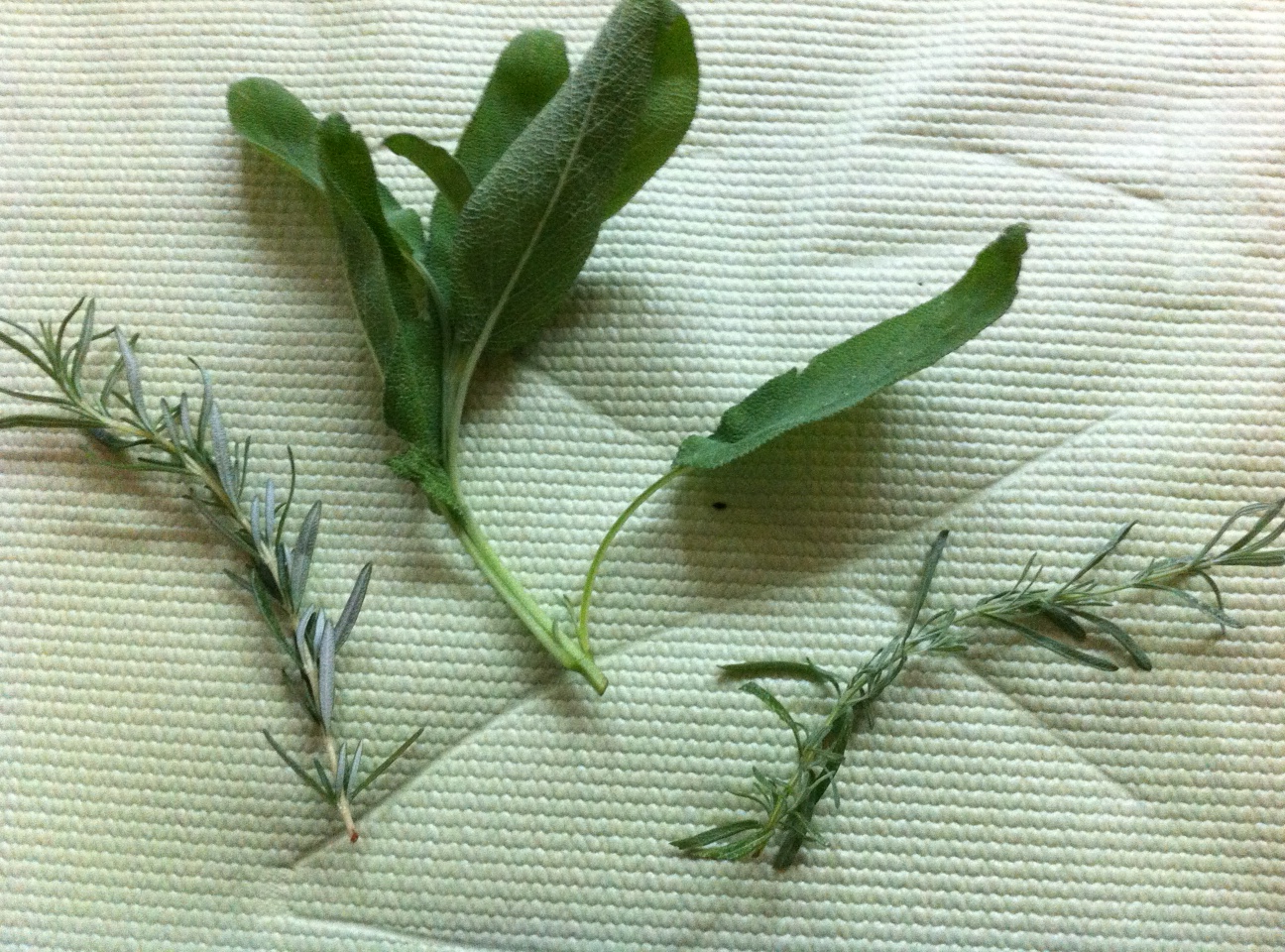
    • Mixed Herbs: See below… rosemary is deeper green, woodier, and generally sturdier than lavender–and the smells are unique. Sage is the broader-leafed green in the middle. All are excellent for cooking. I like a little sage in my eggs, a little lavender in the water I use to boil fresh green beans, and lots of rosemary with my pork, potatoes, or carrots.
    Left to Right: Rosemary, Sage, and Lavender
    Left to Right: Rosemary, Sage, and Lavender

    Summer Plans

    We’re hoping to have a “Farm Friends” cookout later in the summer for everyone who has participated in the CSA over the last two years. We’d like to do it in July or August–if you’ve been involved in the CSA and there are any dates that particularly suit (or don’t)… let us know!

    We’ll also be opening up sales for the Summer CSA to our current customers at the beginning of next week (June 3) and to the general public the following week (June 10). Summer session should start by mid-July, though the dates may be variable due to the late start and cool, wet temperatures we’ve had so far. Let us know if you want to join the ever-growing circle of friends who pick up our boxes each week. We love what we do, and we’re ready to grow!

    Thanks to Our Volunteers!

    We had another volunteer day today–and despite the adverse weather we had one lone soul brave the elements to help us out. Thanks to Trevor, who helped us organize the tools in the shop while rain tapped a rhythm on the tin roof and our four-year-old “dusted tools” while getting dusty herself.

    The veggie boxes are out to our “Farm Friends,” the animals are secure against the weather, and the shop’s tool room looks better than it has in years. Time for a well-earned rest and–if the weather holds–a cookout with some friends. We’ll raise a radish martini to all of you who keep us going.

    Peace, love, and veggies!

  • Spring 2013 CSA: Week 2

    Ellie here, with your CSA share list for Week 2. Things went a bit more smoothly this week than last!

    Thinning

    This week, most of our beds needed to be thinned. When we plant, we plant more seed than we think we’ll need, in case some doesn’t germinate. Then, as our veggies mature, we pull some to make room for the others to grow big and strong. It’s a customary practice among farmers and gardeners to insure a good harvest.

    A Taste of Spring…

    The thing is, the plants we pull are just as delicious as the ones we allow to grow to maturity. Waste not, want not! So this week, I’m giving all our CSA shareholders a little taste of spring. We’ve included a wide variety of salad greens and cooking greens, as well as a few treats that won’t be mature for a couple more weeks–like the beets (which are good for their greens now, though the beets themselves are still teeny).

    In your box, you’ll find:

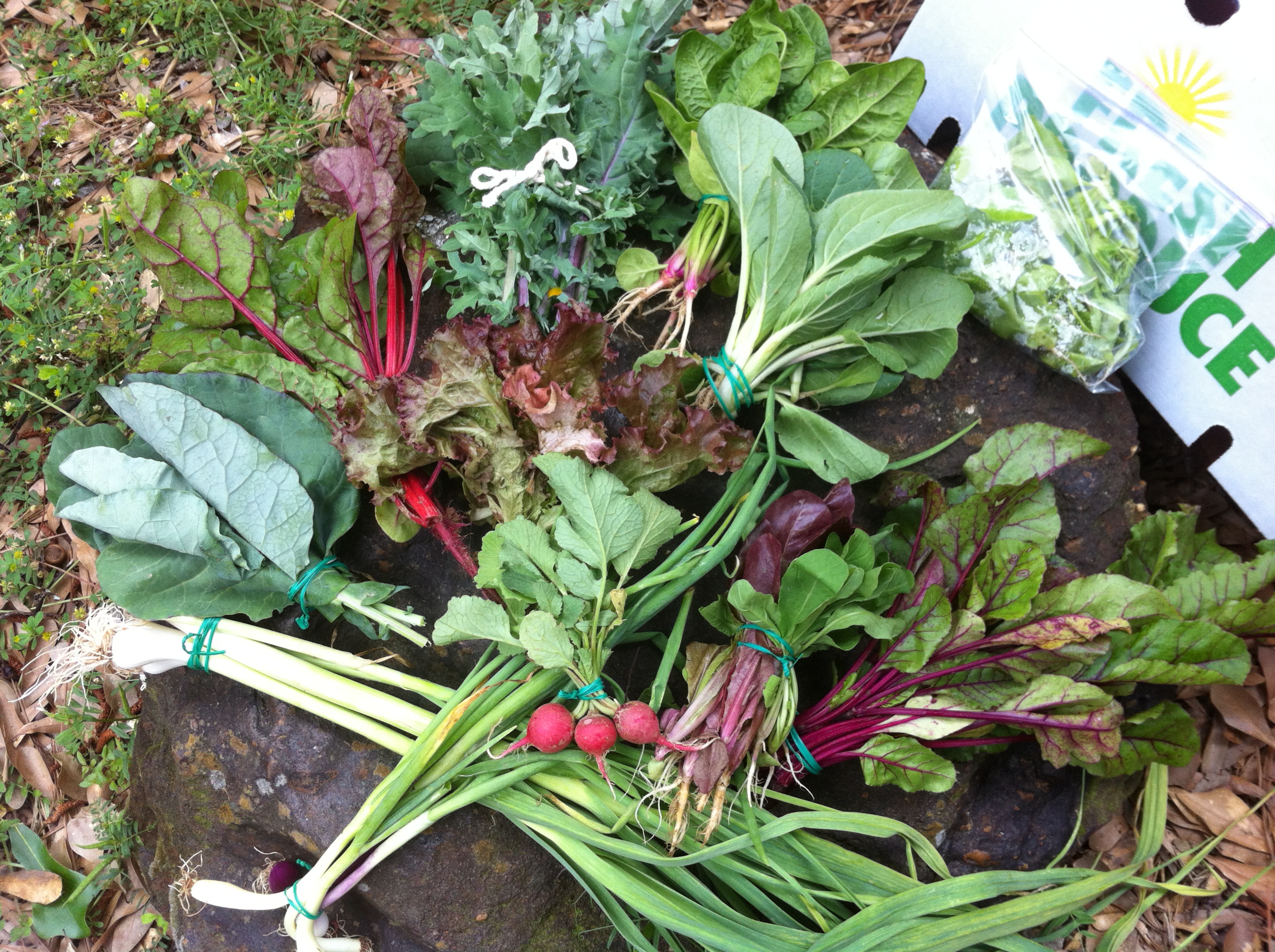
    Clockwise from top: Kale (tied with white string), spinach, Chinese pac choi (bok choy), mixed baby lettuces (in plastic bag), baby beets, red romaine lettuce and green arugula bundled together, radishes, green onions, spring garlic, mixed broccoli and cauliflower greens, and swiss chard. Lollo rosa red-tipped lettuce in the center.
    Clockwise from top: Kale (tied with white string), spinach, Chinese pac choi (bok choy), mixed baby lettuces (in plastic bag), baby beets, red romaine lettuce and green arugula bundled together, radishes, green onions, spring garlic, mixed broccoli and cauliflower greens, and swiss chard. Lollo rosa red-tipped lettuce in the center.

    For a closer look:

    • Kale: Last week, a couple of our shareholders reported a new love of kale chips! Check out last week’s blog for the recipe. They’re also excellent in salads or as a cooked green.
    • Spinach: These little guys are starting to bolt, so we won’t have them around for much longer. As the life cycle of most green leafy vegetables plays out, they go from growing leafy greens outward to sprouting an upward central stalk that flowers and eventually bears seed. Once that stalk appears the plant has “bolted” and the leaves usually taste bitter. Bolting usually occurs for early spring greens not long after temperatures climb into the hot, humid summertime range.  Enjoy them while you can–we may have one or two more weeks before true spinach is out for the summer. Keep an eye out for “Malabar spinach” later in the summer for another treat.
    • Pac Choi: The pac choi is also starting to bolt, though it’s not as large as we would have hoped. The wet, cool conditions transitioning suddenly into sunny heat have our pac choi feeling a little confused. Still, it’s particularly succulent when small. Try this Food Network recipe for stir-fried bok choy with our green garlic and ginger to bring out the delicate springtime flavors.
    • Mixed Baby Lettuces: Pinch off the roots, float the leaves in water to rinse, and toss into your favorite salad. These green lettuces have a punch of flavor when mature but are still sweet and fairly delicate this young. One is a “Big Boston” loose-leaf lettuce and the other an heirloom heading variety called “Tom Thumb” that produces tiny heads. We can’t wait to see the mature version!
    • Baby Beets: Beet greens are delicious this time of year, when they’re large but still succulent. Wilt them with other greens in a stir fry or saute. Or chop/cube the baby beets into a stir fry with other veggies and then toss in the greens a few minutes before the stir fry is done.
    • Romaine and Arugula: These classic spring salad greens pack a rich, almost spicy flavor that takes your lunchtime salad to a new level. We think they’re excellent as a bed under grilled chicken, but you’ll find your own favorite signature salad.
    • Green Onions: Usually, we try to leave the protective outer coating on our onions (along with the roots) to help them stay fresher longer. There’s been so much wet weather lately that the usually papery outer shells were actually waterlogged, so I’ve stripped them back to reveal the healthy green onion beneath. Enjoy!
    • Spring Garlic: We’ve added a little bunch of spring garlic to this week’s bounty, but we don’t want to overload you after the big batch last week. Expect at least a little garlic almost every week–it’s an Oak Hill specialty and a staple of a healthy diet. Almost anything tastes better when it’s cooked with garlic and onions!
    • Radishes: Of course you can use these in a salad, but why not change it up? Radish greens fit right in in a potato soup and give a delicate, bright flavor. The wet conditions we’ve had have caused some of them to split–but eat them while they’re fresh, and there’s no effect on flavor or consistency. If you drink alcohol, try this springtime radish martini!
    • Broccoli and Cauliflower Greens: Did you know that broccoli (and cauliflower) greens are edible, delicious, and even more nutritious than the parts we usually see in stores? Probably not… we don’t get the greens in stores often–another benefit of your CSA membership! They can be hard to tell apart, but the broccoli leaves are a little smaller and lighter green, while the cauliflower are a deep green on a broad, rounded leaf. Delicious raw or cooked like collards, they’re a nutritive powerhouse that tastes like broccoli–without the little green bits to stick between your teeth!
    • Swiss Chard: This beautiful green is a heat-tolerant work horse that seems to love West TN conditions. It’s delicious and delicate in this small springtime state, but it’ll grow massive and robust as the weeks pass. Organic growers love it for its weed tolerance and longevity. We’ll keep it coming! While it’s young and fresh, let those simple flavors shine with this easy recipe for chard with balsamic vinegar and garlic.
    • Lollo Rosa Lettuce: This lettuce is a nutritional powerhouse, packed with 100 times the antioxidant power of common green lettuces and rich in folate, iron, and vitamins A and C. It’s slow to bolt, has a rich nutty flavor, and boasts a beautiful color combination that’s excellent for garnishing as well. We think it’s gorgeous in a salad with our red romaine against a background of rich green spinach and light, fresh baby greens.

    In other news…

    We have baby pigs!

    PiggiePileMay2013

    There’s your cute baby picture update of the week from your friendly neighborhood farmers :).

    Time to get to bed… busy day tomorrow. We’re looking forward to a volunteer shift tomorrow morning–thanks to our CSA “Farm Friends” on the workshare program who are coming out to help us battle weeds. I’ll be in town delivering boxes; Ted will be be out here working hard with the volunteers. Sometimes we have to split our forces, but we always get it done in the end!

    As always,

    Peace, Love, and Veggies!

    Ellie Maclin, Oak Hill Farm

  • Spring 2013 CSA: Week 1

    We had a rocky start to the day, but boxes are in are shareholders’ hands and everyone seemed happy with their shares! Every box smelled divine — green garlic and onions mingling with kale, fresh lettuces, and herbs. If you took home a box for your very own, here’s what you got:

    Clockwise from top: Bibb lettuce, spinach, arugula, Lollo Rosa lettuce, garlic, onions, kale
    Clockwise from top: Bibb lettuce, spinach, arugula, Lollo Rosa lettuce, garlic, onions, kale
    • Kale: This variety, Russian Red, has loved our wet weather and is taking off, so expect more in the coming weeks. Saute it in a pan or make one of our all-time favorites — Kale chips! Guilt-free snack food at its finest, and so easy to make!
    • Bibb Lettuce: This loose head lettuce has a buttery consistency and makes a lovely salad.
    • Lollo Rosa Lettuce: This leaf lettuce has a sharper flavor and adds texture — great for holding on to salad dressings.
    • Green Garlic: Young garlic has a delicious mild flavor when you use it in a saute. Use the whole stem in a soup or broth, or use the stiff neck like you would a leek. Green garlic doesn’t last like cured, mature garlic will; try to use it in the next week or so. If it starts to go brown, make your own garlic powder!
    • Spring Onions: Use like a regular onion. Chop them up in sautes and casseroles, or use them in salads. You can also use the stem like a scallion — chop it up and use for garnish or in soups. The bunch in your box contains a mix of red, white, and yellow green onions.
    • Mixed Herbs: Rosemary, oregano, mountain mint, and sage. Use together or separately… Boil green beans in water with sage and mountain mint, use rosemary with potatoes or pork and oregano in any Italian food or salad dressing. If you’re feeling adventurous, put your sprig into moist soil and see if it roots — before you know it, you’ll be growing your own herbs on your window sill!
    • Arugula: This lovely spring green has a bracing bite. Use a little in your salad for a big kick.
    • Spinach: Rich, green spinach has been happier in the wet cool weather than it usually is in the Memphis heat — enjoy! Cook it in a saute pan and serve as a wilted green or use it fresh in a salad… we love it under salmon or tuna with a corn salsa over the top.
    Left to right: oregano, mountain mint, rosemary, and sage.

    Left to right: oregano, mountain mint, rosemary, and sage.

    Once Upon a Time…

    …Not so long ago and very, very close to home, we had a workshare volunteer (Bobbie Ann) help us harvest and wash a ton of fresh greens. We tucked them snugly into bed in the new CSA-only refrigerator for the night, thinking that we had a leg up on the Saturday delivery. Imagine our alarm when, the next day (Saturday) all those greens were stiff and frozen. Lesson learned! Our fairy tale first pickup may have turned out to be a parable, but it still had a happy ending. Our loss is your gain–we bring you vegetables that are fresher than even we expected! Luckily we overplanted by enough that reharvesting shouldn’t cut into future harvests. If you are a geek about such things and wonder just how we schedule planting and harvesting, you might look at these spreadsheets from North Carolina State University that we adapted to develop our own schedule.

    Wash those veggies!

    Remember, even though we don’t use chemical fertilizers or pesticides, these veggies are fresh from the ground–they may come with some rich soil still attached. We give everything a rinse in clear, cool water before it goes into your boxes, but we recommend that you wash again before you cook or eat. Especially in the wet weather we’ve had, dirt tends to cling. For your eating pleasure, wash them in cool water to avoid grit.

    Don’t be a hater…

    Is there a bug on your greens? Cool. That’s how plants naturally grow in a healthy environment that encourages a total living ecosystem: with some bugs here and there. Any hitchhikers should come off in the wash.

    Let us know how it goes!

    If you have a great recipe to share with the CSA community, you can post it here or on our page on The Facebook.